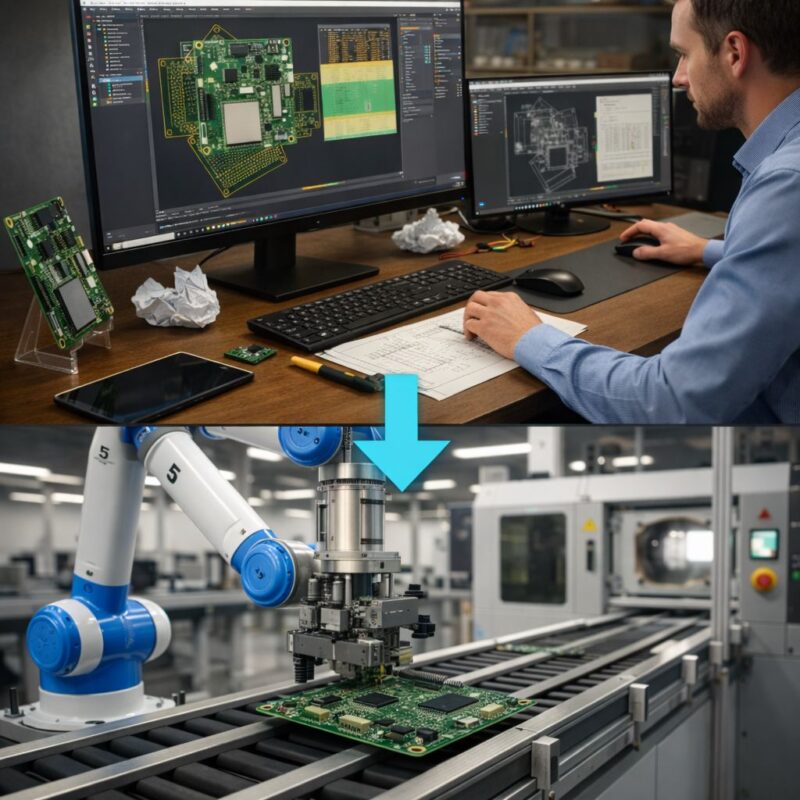
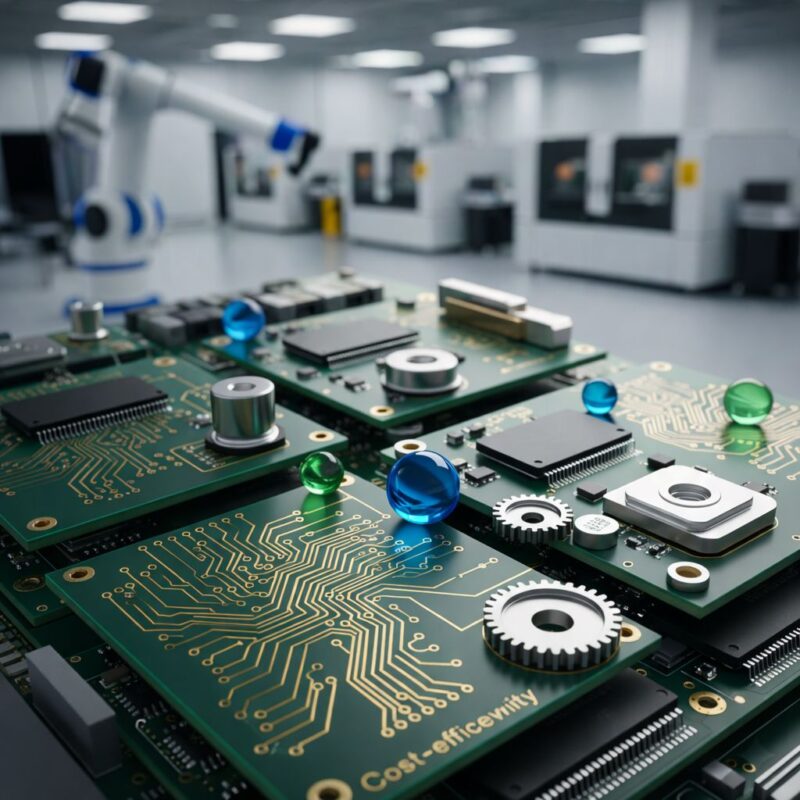
In today’s competitive and fast-paced market, businesses need solutions that are not only innovative but also dependable and capable of growing with their demands. Products and systems must perform consistently under varied conditions, and they must be scalable to meet increasing requirements without compromising quality. This is where engineering for reliability and scale becomes critical. It is the cornerstone of sustainable growth, efficiency, and customer satisfaction.
Reliability in engineering means more than just a product that works. It is about designing systems that function flawlessly over time, resist failures, and maintain performance even under stress. Every component, connection, and process is evaluated to ensure it meets the highest standards. A reliable system minimizes downtime, reduces maintenance costs, and builds trust with users, partners, and clients. In industries ranging from electronics to manufacturing, reliability can be the differentiator between success and failure.
Achieving reliability starts with meticulous design. Engineers consider factors such as material properties, environmental conditions, operational load, and long-term wear and tear. Simulation and testing are used to predict performance under extreme conditions, identify potential weaknesses, and refine solutions before production begins. This proactive approach ensures that products are not only functional but robust, durable, and safe.
Scalability is equally important in today’s dynamic environment. Businesses grow, customer needs evolve, and production demands fluctuate. A system engineered for scale can adapt to increasing volumes, expanding user bases, or new features without requiring a complete redesign. This flexibility reduces the risk of bottlenecks, supports rapid growth, and allows organizations to respond effectively to market changes.
One of the key aspects of designing for reliability and scale is modularity. Modular systems are built with interchangeable components, standardized interfaces, and flexible architecture. This design philosophy simplifies maintenance, upgrades, and expansion. It allows engineers to optimize individual modules without affecting the entire system, making it easier to implement improvements or accommodate new requirements over time.
Another critical factor is quality assurance. Rigorous testing and validation processes are essential to confirm that every product meets performance, safety, and reliability standards. From stress testing and load simulations to continuous monitoring in production, quality control ensures that potential issues are detected and addressed early. By prioritizing quality, companies can deliver products that inspire confidence and reduce the risk of failures in the field.
Engineering for reliability and scale also emphasizes efficiency. Optimized designs, streamlined processes, and strategic resource management contribute to better performance while minimizing waste and costs. Efficient systems can handle growth without proportional increases in complexity or expense, allowing businesses to scale sustainably and maintain competitive advantages.
Collaboration plays a vital role in this process. Engineers, designers, and production teams work together closely, sharing insights, identifying challenges, and aligning objectives. This integrated approach ensures that both reliability and scalability are embedded from the earliest design stages through to manufacturing and deployment. It creates a cohesive system where every element contributes to long-term success.
Ultimately, solutions engineered for reliability and scale are investments in stability and growth. They allow businesses to confidently expand operations, adopt new technologies, and serve more customers without compromising performance. By focusing on robust design, modular architecture, and rigorous quality control, companies can achieve a balance between durability and flexibility.
In a world where expectations are high and competition is fierce, reliability and scalability are not optional—they are essential. Systems and products built with these principles ensure consistent performance, support growth, and deliver lasting value. By engineering for reliability and scale, businesses transform innovative ideas into practical solutions that meet today’s needs and tomorrow’s challenges.