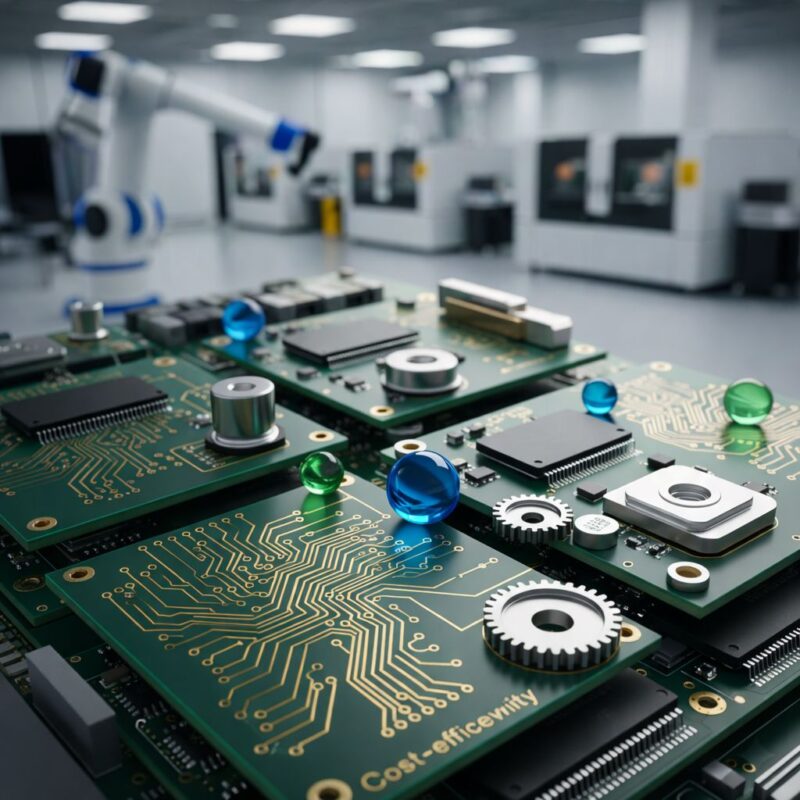
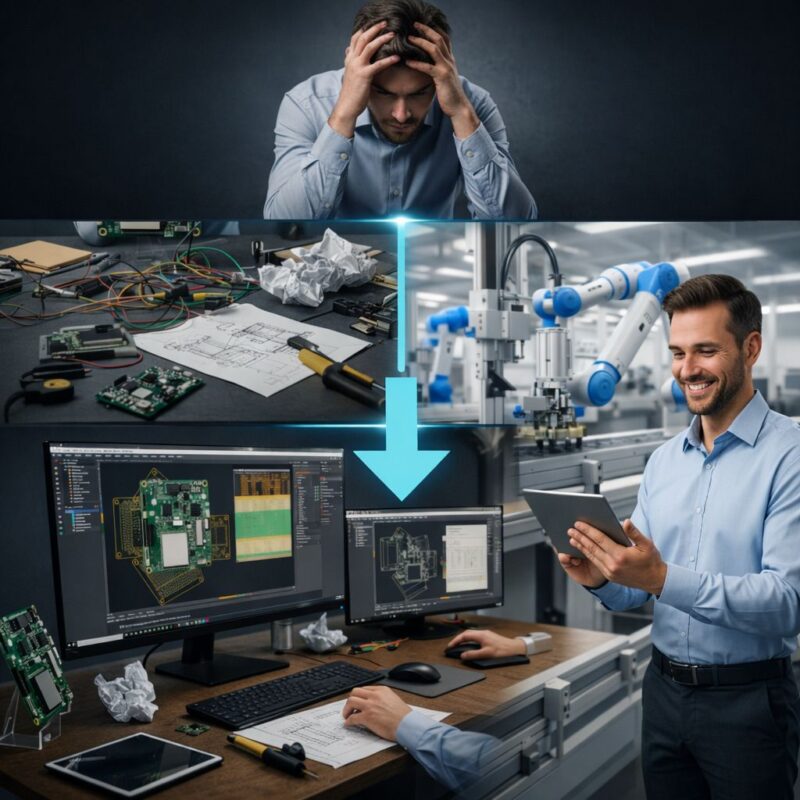
In an era where innovation drives progress, education, hands-on experience, and prototyping are more interconnected than ever. Learning by doing is a principle that has proven its effectiveness across industries, from engineering and technology to design and entrepreneurship. By combining education with DIY (Do-It-Yourself) practices and prototyping, individuals and organizations can transform abstract ideas into practical solutions, accelerating creativity and skill development.
Education is the foundation of innovation. It provides the theoretical knowledge, critical thinking, and problem-solving skills necessary to understand complex systems and technologies. However, knowledge alone is rarely enough. To truly grasp how concepts work in the real world, learners need opportunities to apply what they’ve learned. This is where DIY and prototyping become essential. These hands-on approaches allow learners to experiment, test ideas, and gain experience that cannot be achieved through theory alone.
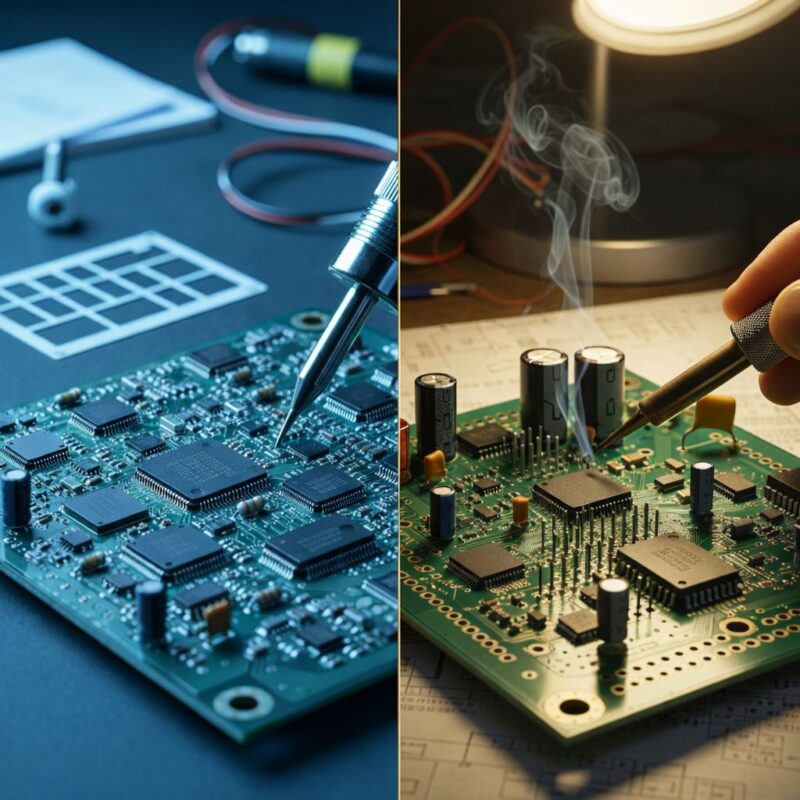
DIY projects empower individuals to take ownership of their learning journey. By building, modifying, and experimenting with tools, devices, or systems, learners develop technical skills, creativity, and confidence. DIY encourages curiosity and resourcefulness, pushing people to find innovative solutions and workarounds. Whether it’s assembling electronics, creating small machines, or crafting custom solutions, DIY experiences bridge the gap between knowledge and practical application.
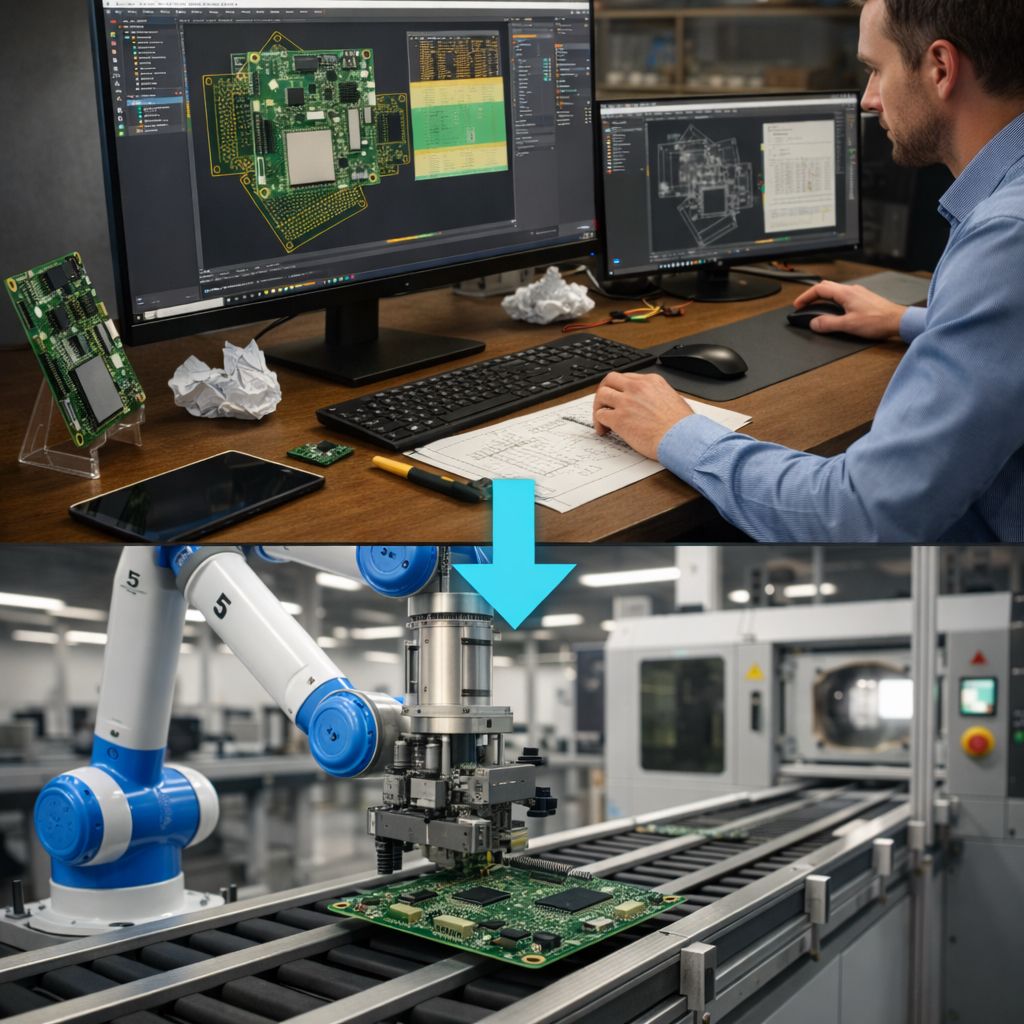
Prototyping is a critical step in turning ideas into reality. It provides a tangible model to test, evaluate, and refine concepts before full-scale production. Prototypes allow for rapid experimentation, enabling designers, engineers, and students to identify weaknesses, improve functionality, and optimize performance. By iterating quickly, individuals can learn from mistakes, innovate faster, and make informed decisions based on real-world feedback.
The synergy between education, DIY, and prototyping extends beyond individual learning. In professional environments, this approach accelerates product development and innovation cycles. Companies that encourage experimentation and prototyping foster a culture of creativity and problem-solving. Employees can explore new ideas, validate designs, and implement solutions efficiently, reducing risks and improving overall project outcomes.
Modern technology has made education, DIY, and prototyping more accessible than ever. Affordable tools such as 3D printers, microcontrollers, CNC machines, and virtual simulation software allow learners and creators to experiment at home, in classrooms, or in dedicated maker spaces. Online resources, tutorials, and collaborative platforms further enhance learning opportunities, enabling anyone with curiosity and motivation to develop new skills and bring ideas to life.
Another advantage of integrating DIY and prototyping into education is the development of interdisciplinary skills. Learners gain experience in multiple areas, including design, electronics, coding, materials science, and mechanical engineering. This holistic skill set is highly valuable in the modern workforce, where problem-solving often requires knowledge that spans multiple disciplines.
Beyond skills development, this approach nurtures creativity and innovation. When individuals are encouraged to experiment and prototype, they learn to think outside the box, challenge assumptions, and approach problems from different perspectives. These abilities are essential for entrepreneurs, engineers, designers, and anyone aiming to create meaningful solutions in a competitive environment.
Furthermore, prototyping and DIY projects make abstract concepts tangible. Seeing an idea take shape as a physical model or functional system reinforces learning and provides immediate feedback. This experiential learning approach not only improves understanding but also increases motivation, engagement, and retention. Students and professionals alike become active participants in the learning process rather than passive recipients of information.
Ultimately, the integration of education, DIY, and prototyping creates a cycle of continuous improvement. Knowledge leads to experimentation, experimentation leads to prototyping, and prototyping leads to refined solutions and deeper understanding. This cycle empowers learners and innovators to take control of their ideas, test boundaries, and confidently bring their visions to life.
By focusing on education, hands-on projects, and prototyping, individuals and organizations can accelerate skill development, foster creativity, and transform ideas into tangible results. It’s an approach that not only enhances learning but also builds the foundation for innovation, collaboration, and long-term success.