In the world of electronics, a printed circuit board (PCB) is far more than just a platform for connecting components—it is the backbone of every electronic device. From consumer gadgets to industrial machinery, the performance, reliability, and longevity of modern electronics heavily depend on precise PCB design and thorough evaluation. Precision in PCB design ensures that electrical signals flow efficiently, components function optimally, and the final product meets the highest standards of quality.
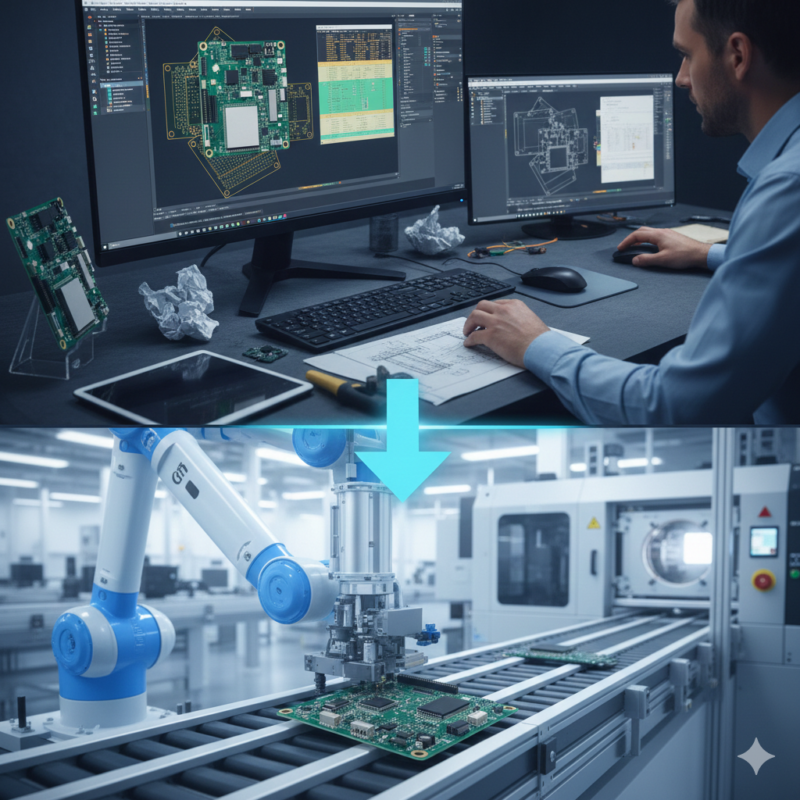
PCB design begins with understanding the functional requirements of the device. Every circuit has unique electrical characteristics, environmental considerations, and performance expectations. A well-designed PCB takes all of these factors into account, translating complex schematics into a layout that supports both functionality and manufacturability. Precision at this stage is critical, as even minor mistakes can lead to signal interference, component failure, or costly redesigns.
One of the key aspects of precision PCB design is layout optimization. This includes careful placement of components, routing of traces, and management of signal integrity. Engineers must balance electrical performance with thermal management, mechanical constraints, and manufacturing feasibility. By strategically organizing components and pathways, designers can minimize noise, reduce power loss, and prevent electromagnetic interference (EMI), which is essential for high-performance and sensitive applications.
Material selection is another crucial factor in precision PCB design. Different substrates, copper thicknesses, and surface finishes influence the electrical, thermal, and mechanical properties of the board. Choosing the right materials ensures that the PCB can withstand environmental stress, maintain signal integrity, and support long-term reliability. High-frequency applications, for example, require materials with low dielectric losses, while industrial boards may need enhanced heat resistance and mechanical strength.
Once the design is complete, evaluation becomes the next critical step. PCB evaluation involves verifying that the board meets all design specifications, electrical requirements, and quality standards. Techniques such as automated optical inspection (AOI), X-ray analysis, and electrical testing are employed to detect defects, measure performance, and ensure compliance. This rigorous evaluation process helps identify potential issues before mass production, reducing the risk of failures in the field.
Simulation tools also play a vital role in precision PCB design and evaluation. Advanced software allows engineers to model electrical behavior, thermal performance, and mechanical stress, enabling them to anticipate problems and optimize the design virtually. These simulations reduce the need for multiple physical prototypes, saving both time and cost while ensuring that the final board meets exacting standards.
Collaboration between designers, engineers, and manufacturers is essential throughout the process. Precision PCB design is not an isolated task—it requires input from multiple stakeholders to balance functionality, manufacturability, and cost-effectiveness. Clear communication ensures that design decisions are informed, practical, and aligned with project goals, resulting in a board that performs flawlessly in its intended application.
Quality control and reliability testing are integral components of PCB evaluation. Every board undergoes stringent testing to confirm that it can handle operational stress, maintain performance under varying conditions, and meet safety requirements. These steps are particularly critical for applications in aerospace, medical devices, automotive systems, and other sectors where failure is not an option.
Ultimately, precision PCB design and evaluation are about creating boards that are efficient, reliable, and future-ready. They ensure that every electrical signal, every component, and every connection works harmoniously to support the functionality of the device. Investing in precise design and thorough evaluation not only enhances product performance but also reduces costs associated with redesigns, recalls, and warranty claims.
For engineers, innovators, and companies striving to deliver high-quality electronics, precision PCB design and evaluation are non-negotiable. They transform complex circuits into reliable, manufacturable, and scalable solutions, turning ideas into devices that perform flawlessly in the real world. By focusing on accuracy, quality, and meticulous assessment, your electronic products can achieve maximum efficiency, longevity, and customer satisfaction.





 DAX – PLC
 Lab equipment
 Motherboards
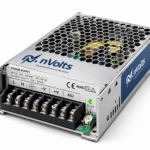 Power supply
 Sensors